
Three-tier SKUs
Buy V / P / L by data role.
PRODUCT 02SkillForge
Trainable and verifiable. Egocentric manipulation, processed into data robots learn from directly.
WHY SKILLFORGE
SkillForge turns real manipulation video into data that is aligned, verifiable and ready for training.
Mismatched timelines and frames make robot actions hard to align.
Pose and trajectory errors become wrong supervision.
Too few scenes, tasks and demonstrators.
Without batch evidence, quality is hard to check or trace.
Inconsistent formats and fields mean rework before training.
PRODUCT
Buy V / P / L by data role.
World-frame 3D hand pose and camera trajectories.
8 domains, 140+ scene types.
QC gates, stratified sampling, a report per batch.
Organized and delivered to the LeRobot standard.
PRODUCT BOUNDARY
Capture, data processing, and evaluation with post-training stand alone, and form one chain together.
Upstream capture: devices, capture specs and real-scene coverage.
Standardized processing and delivery: reconstruction, annotation, quality and LeRobot datasets.
Interactive evaluation and post-training, using task evidence to locate capability gaps.
THREE TIERS
V vision · P pose · L language, stacked.
Egocentric video with camera calibration.
Adds world-frame 3D hand pose and per-frame camera pose.
Adds task, subtask and action language annotations.
DELIVERY UNIT
├─ videos/Egocentric videoMono or stereo RGB; depth maps can be generated from stereo.├─ data/Timing and sensor dataUnified timestamps and IMU.├─ calibration/Camera calibrationIntrinsics, extrinsics, device info.├─ hand_reconstruction/Hand reconstructionMANO, 21 keypoints, world frame and per-frame camera pose.├─ annotations/Language and objectsTask, subtask, action, scene, objects and clip validity.├─ quality/Quality evidenceUnusable-clip flags, review records, batch quality report.└─ meta/Dataset docsLeRobot dataset card, capture manifest and task table.Illustrative structureLeRobot standard
PRODUCTION
Scaled lines plus open collection.
World-frame hand pose and camera trajectories.
Automated; humans sample-check.
Processing and delivery gates.
LeRobot datasets with report.
H2O-aligned benchmark; lower is better. Open source: 6.06–7.18 mm.
Depth MAE reduction vs. monocular.
Local trajectory consistency.
Overall batch admission bar.
Capability metrics are measured on unified benchmarks and standard evaluation sets and reflect the processing pipeline; each batch’s actual results are in its quality report.
BATCH QUALITY
Two QC gates; quality evidence ships with each batch, re-checkable and traceable.
Automated QC and reconstruction usability checks.
Stratified sampling review, written into the report.
Data and quality evidence delivered together.
quality/meta/Sources, field definitions, intended use and known limitations.
meta/Sources, versions and task mapping, re-checkable against the manifest.
quality/Unusable clips are flagged with review records and can be filtered out for training.
SCENES
Capture extends to your target scenes.
Homes of every floor-plan size; kitchens, laundry areas, living rooms, bedrooms, dining rooms, studies, bathrooms, balconies, entryways, walk-in closets, storage rooms; building lobbies, corridors, elevators, stairwells, underground garages, community gardens.
Private offices, open desks, meeting rooms, client rooms, reception, pantries, lounges, print areas, server rooms, creative studios.
Kindergartens, K-12 schools, university classrooms, study rooms, multipurpose halls, labs, auditoriums, reading corners.
Supermarkets, convenience stores, department stores, specialty stores, fresh markets; restaurants, cafés, tea shops, back kitchens, canteens; local services such as barbers, laundries, repair shops, pet shops and parcel stations; hotels, gyms, cinemas, entertainment venues.
Healthcare (waiting areas, wards, pharmacies), government service halls, museums, galleries, metro stations, bus stations.
Sidewalks, parking lots, intersections, tunnels, bridges, rural roads, covered walkways, bus platforms.
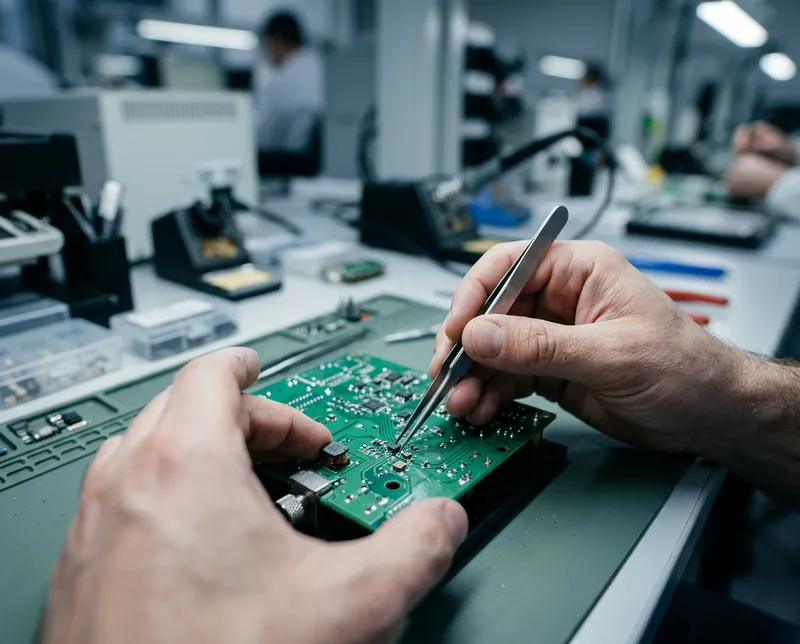
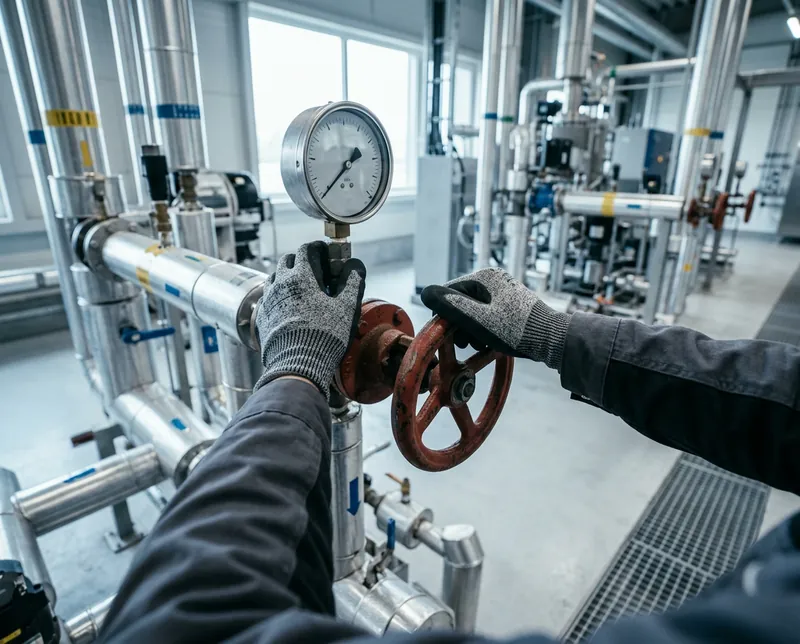
Machining, electronics assembly, textile and apparel, food processing and auto-parts workshops; raw-material and finished-goods warehouses; parcel sorting centers.
Construction sites, fire stations, farming, greenhouses, exhibition and banquet halls, older housing and other non-standard spaces.
Nodes show representative sub-scenes.
DIVERSITY
Natural slips and corrections are kept; unusable clips are flagged for training filters.
Scene types · 8 domains
Of manipulation task types
Multiple demonstrators per task
Real process kept; usability flagged per clip
USE CASES
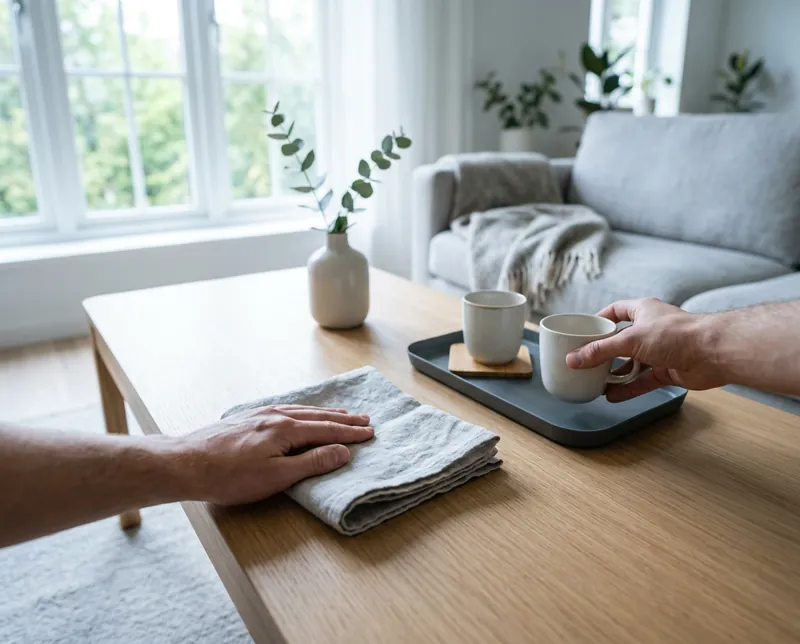
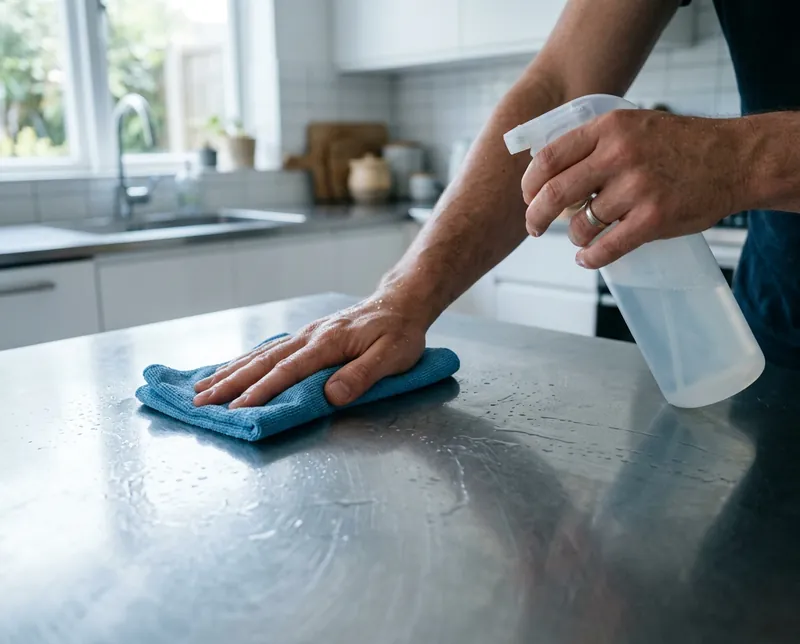
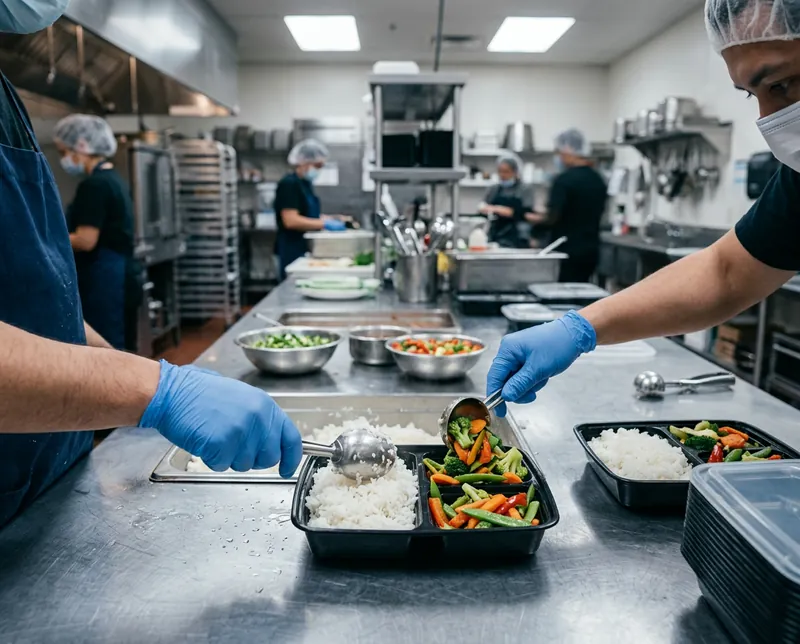
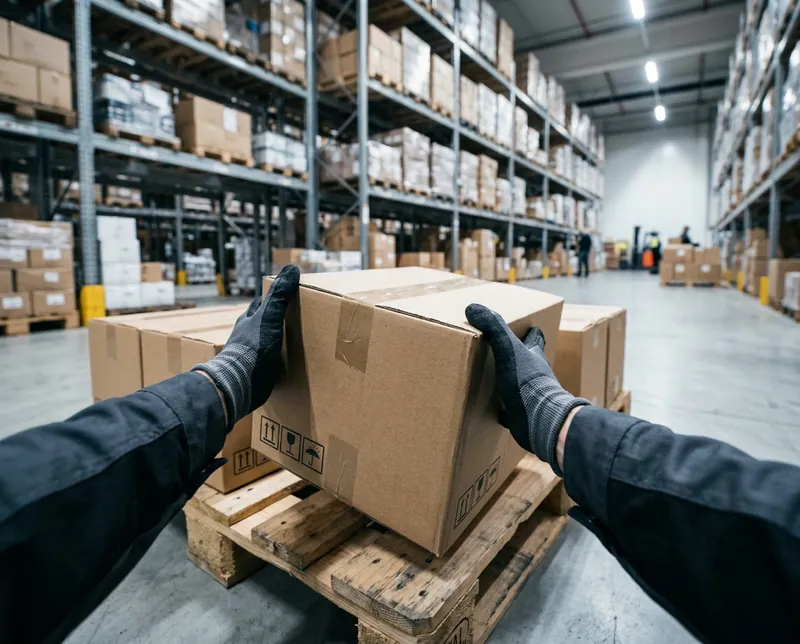
COMPLIANCE
License scope and term are governed by contract.
Licensed from capture to delivery.
Faces, identities, locations.
Source, version, QC records.
Red lines built into the capture spec.
WORK WITH US
Priced by tier, scene, volume and modality.
Combine tier × scene × volume.
Egocentric, UMI and teleop capture.
Batch training licenses.
HOW TO START
Low-barrier trials and independent quality reviews are supported.
SKILLFORGE
Tell us your target scenes, robot embodiment and acceptance criteria.